WINTRY TALES FROM THE APENNINES

Out There & In Here

  • It’s the contrast that counts

    by JM

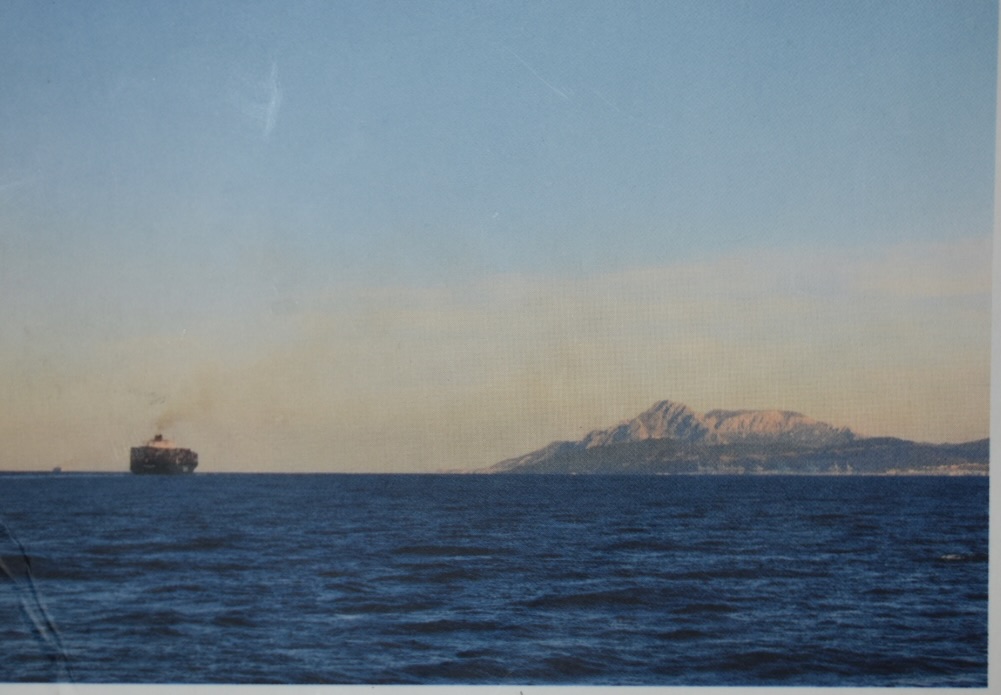
    Arriving in a country for the first time is one of the most exciting experiences I know, and for cities like New York and Istanbul, it’s even more thrilling if you arrive by sea.

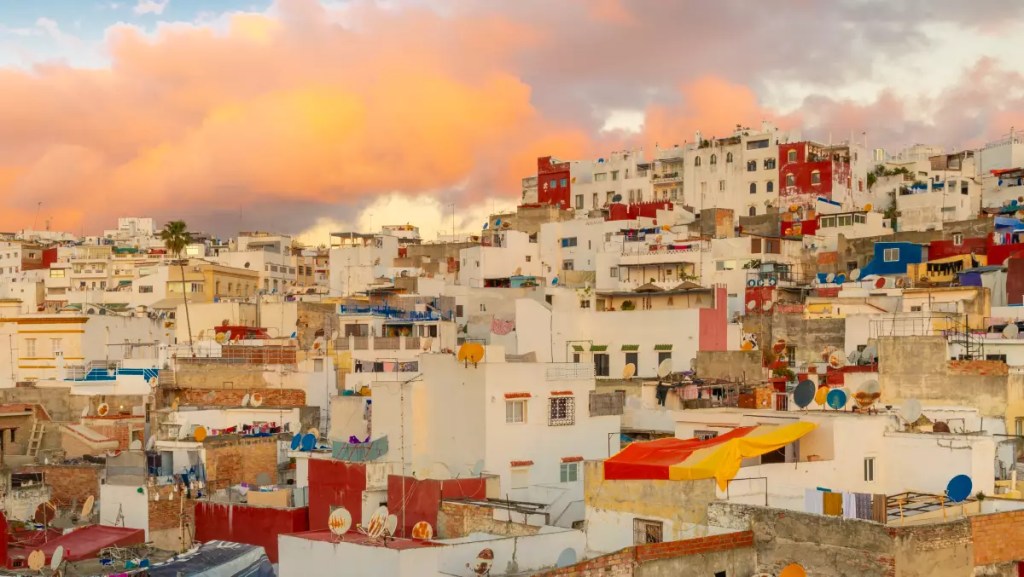
    The same is true for Tangier.
    Once, when I was living and working in Tokyo, my outstandingly handsome Irish colleague Cian told me that for him, the senses are at their keenest when places are experienced in relief.

    “It all depends on what comes before, and what comes after,” he said, as we were trying to chopstick-pick through our tiny lunch portions in the university canteen.

    “It’s the contrast between places and jobs that makes the experience more intense. My last job was was teaching English to luxury hotel staff on a Thai beach – total opposite to teaching English to university students in Tokyo.”
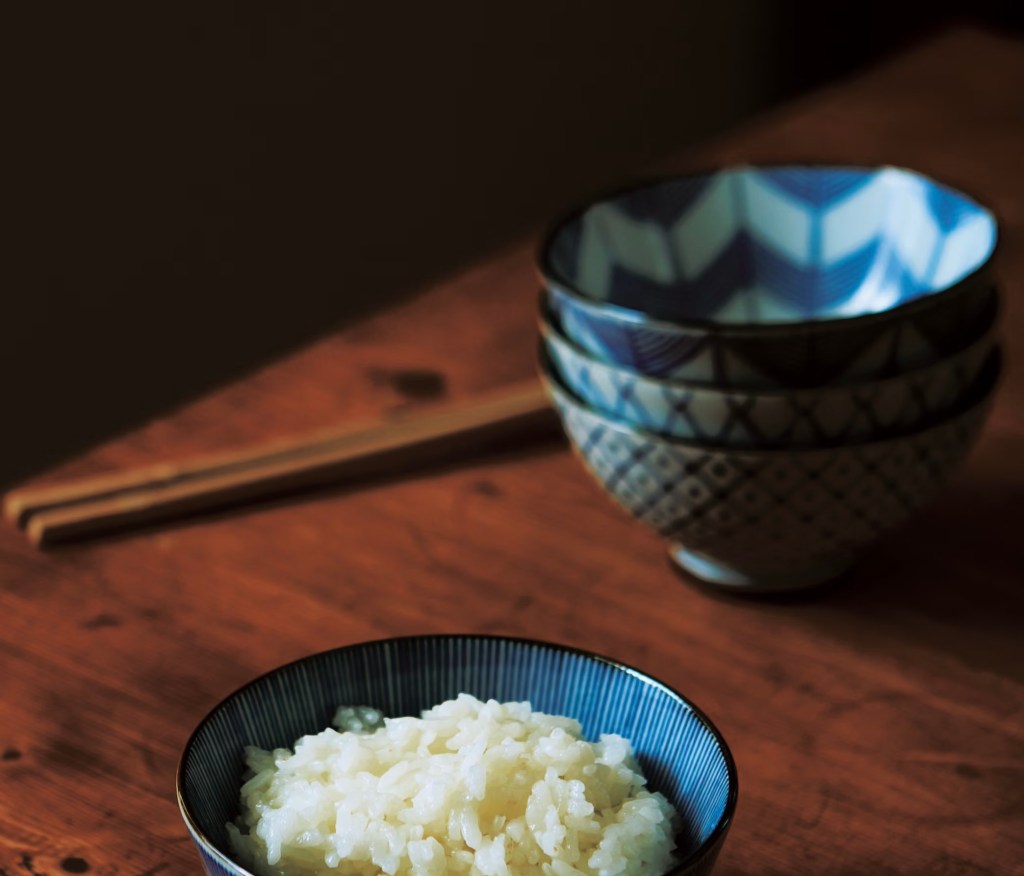
    Well, before Morocco, my last job had been freelancing a few hours a week in a little language school in Tarifa (I’d gone there to be with old friends for a while ) in the very south of Spain, just across the water from Tangier. It brought some social engagement into my pretty tiny-town life, and I was fond of the students ( including a coast guard, who gave his class a harrowing presentation in English about his experiences with the immigrants trying to cross into Europe) but there was nothing new or engaging about the work, and Spain was familiar and too easy.

    Acquaintances in Tarifa warned me that Tangier was dirty and dangerous, and you never knew ‘what kind of disease you could pick up over there’. Also, you wouldn’t get a minute’s peace throughout your entire stay because you’d be stalked and hounded by ‘toothless sleaze-bombs trying to scam you from morning til night’.

    All that sounded like just the kind of place I needed, and it was just the kind of contrast Cian had been talking about that day in Tokyo.
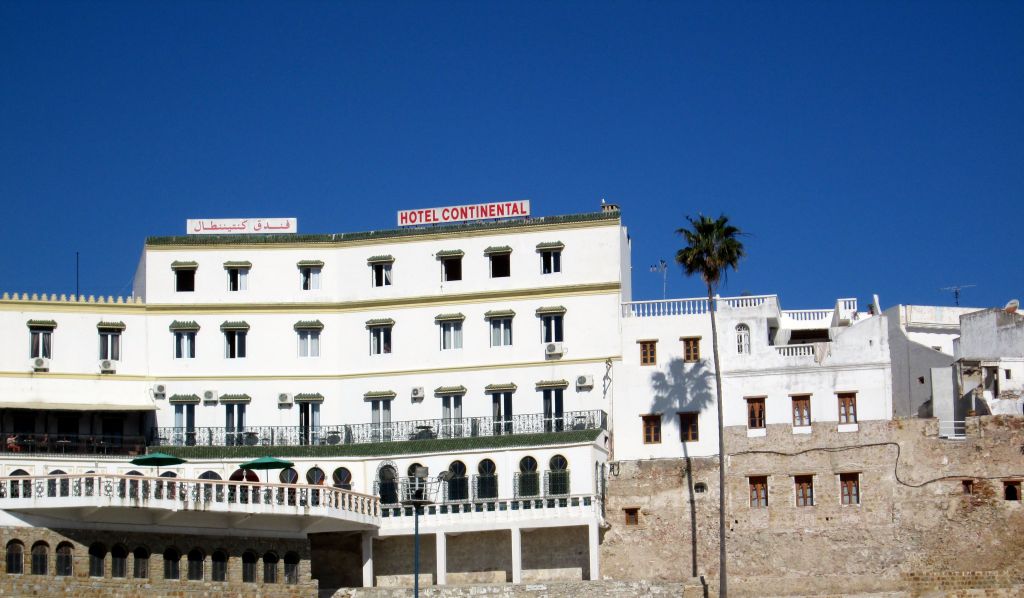
    Two hours after getting off the boat in Tangier, I’d booked into the Hotel Continental, which drew me in as soon as I saw it from the ferry; and I’d chosen my new ‘office’ too, the Café Tingis.
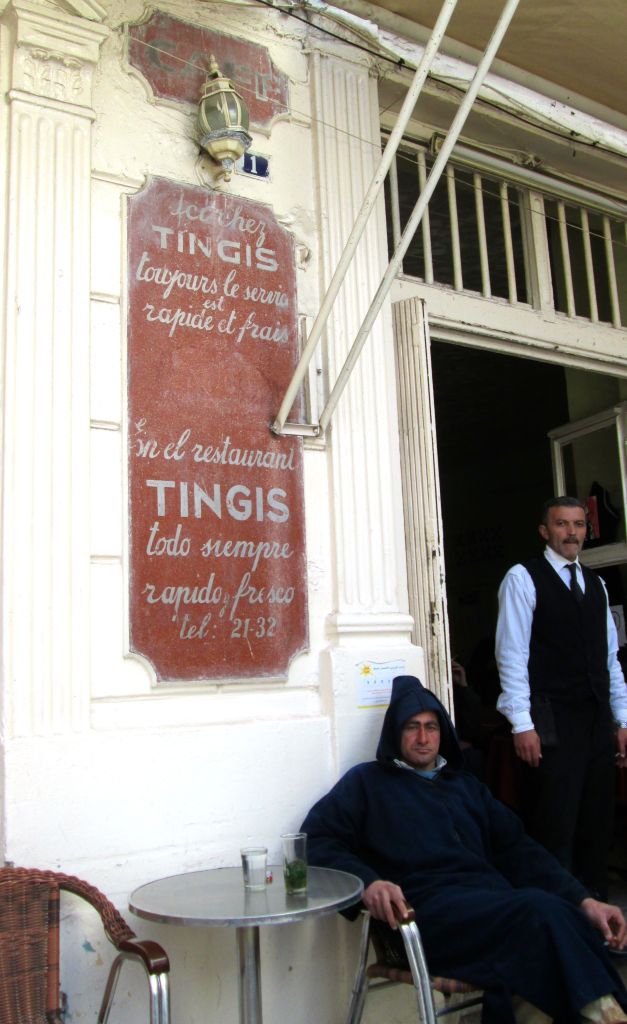
    It was there at the Tingis that I was to spend a lot of my time, with the sparkling ‘Jono’ and his intriguing côterie.
  • A ‘hothouse of history and hedonism’

    by JM

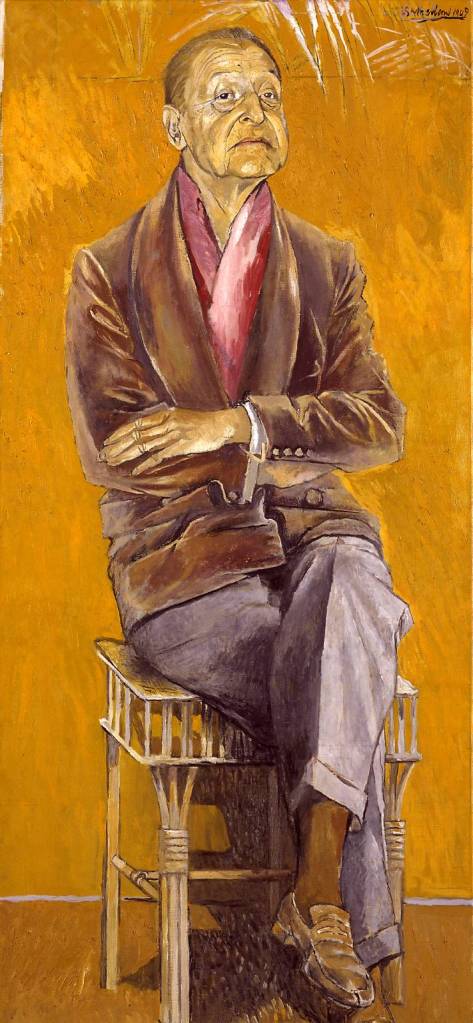
    Somerset Maughan described the French Riviera as ‘a sunny place for shady people’, and Tangier, Morocco, is like that too, except there’s more rain in Tangier.

    That’s because it’s between two seas, the Atlantic and the Mediterranean, and so the weather is actually quite cold and wet, at least during winter and early spring.

    Rainy or not, Tangier has attracted some of the world’s most glamourous, wealthy and talented, including Matisse, Cecil Beaton, Marlene Dietrich, Francis Bacon, Patricia Highsmith, Yves St Laurent, Jean Genet, Jane & Paul Bowles, Tennesse Williams, Barbara Hutton, Mick Jagger, Tahar Ben Jelloun, and Anthony Bourdain.

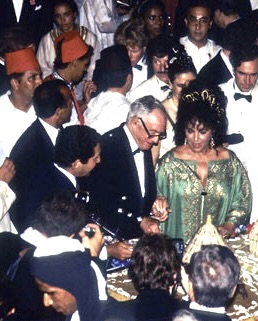
    Beat Generation icon and heroin addict William Burroughs lived there for 6 years. (It’s the setting for his nightmarishly ghastly novel, Naked Lunch). And Forbes Magazine dynast, Malcolm Forbes (pictured below in his kilt) co-hosted his vastly lavish 70th birthday party with Elizabeth Taylor in Tangier. (Their guests included Robert Maxwell – father of Ghislane – which hooks us distastefully into current global events, all very ‘now’ ).

    But it wasn’t its high-heels-and-low-life reputation that first took me to Tangier. I went because I needed a new project and I’d become dulled by a few months in the village of Tarifa, right down at the southernmost tip of Spain.

    From there at night I could see the thrillingly foreign Arabic script الله أكبر, allahu akbar, illuminated gigantically on a hill near Tangier, siren-like, and only a few miles across the Straits of Gibralter.

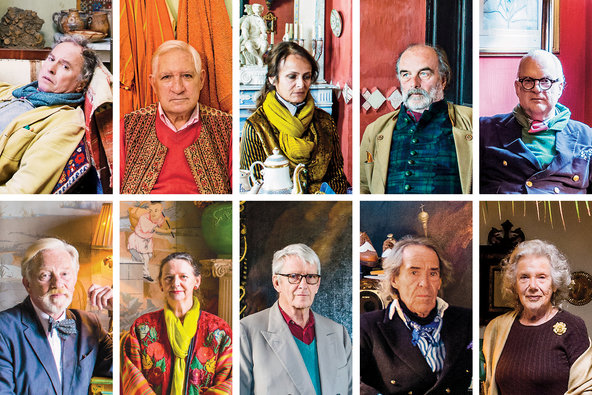
    Also, I’d just read an article in the New York Times called The Aesthetes (with the subtitle For the legendary expats of Tangier, a life devoted to beauty reaches full flower in this North African hothouse of history and hedonism ), which fascinated me enough to tie up my little life in Tarifa and get the next ferry across.

  • The kind of guy you meet in the Sinai Desert

    by JM

    Partying in the Sunshine

    The tasks on Kibbutz Ma’anit of sloshing out the latrines, hacking down banana trees, and mopping the dining room floors didn’t interfere too much with our partying, except that we had to get up at 4 am to avoid the heat, and the Israeli woman unlucky enough to be in charge of us got livid from time to time.

    In the Britain I had happily left behind me, the unemployment rate was higher then (1980) than it is now, Thatcher had just come to power, and a nasty recession was about to start, but we never thought or worried about that kind of thing, and looking for ‘a proper job’ was the least of our concerns.

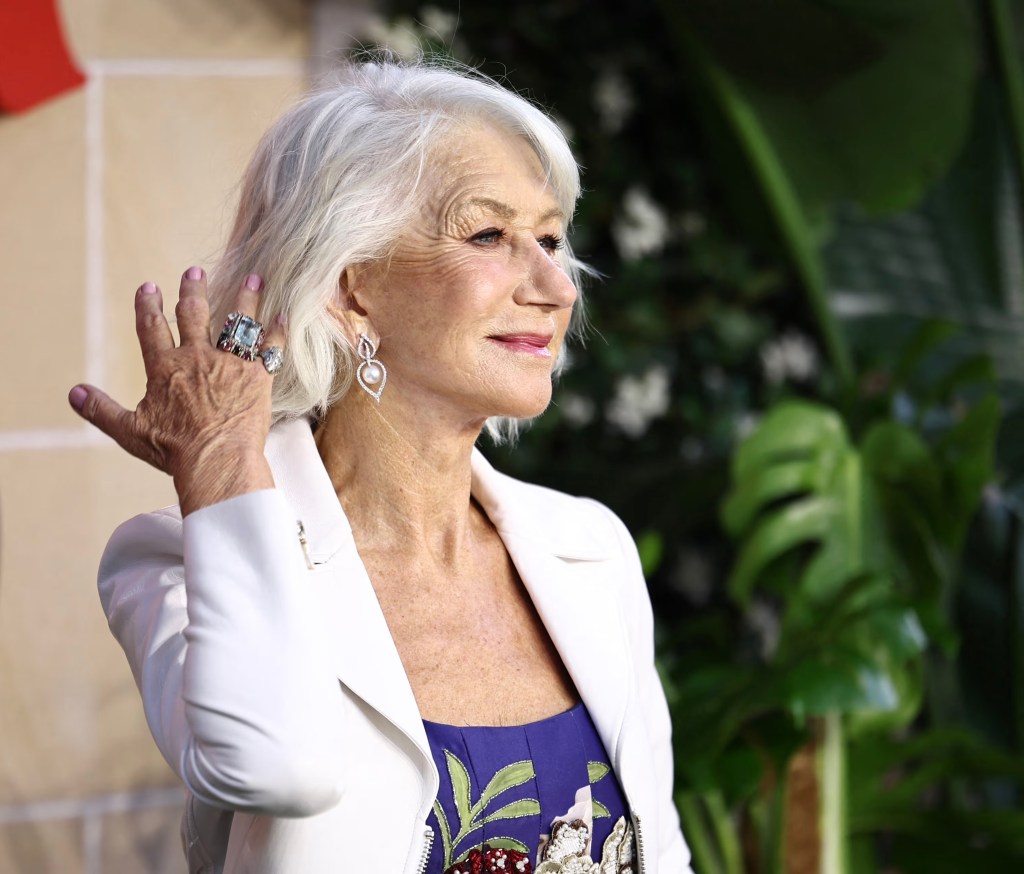
    Nor were we interested much in the ideology behind the kibbutz movement. (Long! ) Before us, Helen Mirren had worked as a volunteer on a kibbutz (she apparently followed a boyfriend), and so had Bernie Sanders. Even Chomsky had lived on one too, on Kibbutz HaZore’a, for a few months with his wife in 1953, and had been very impressed by the experience.

    There were no glittering stars on our kibbutz, of course, but we had parties every night and lots of romance and flirting and everything was intense and stimulating because we were curious and adventurous – that’s why we were there.

    Most of us were Northern Europeans, with some New Zealanders, Canadians, and Australians too. There were also quite a few nutters around, similar to the types I came across elsewhere in the Middle East decades later, when I was trying to teach English at a university in Riyadh.

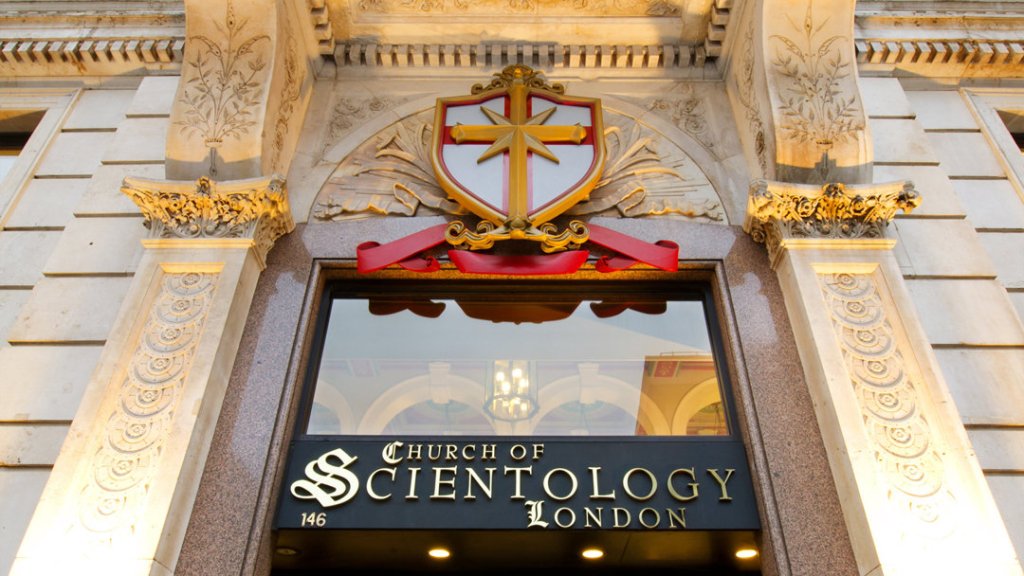
    One particularly colourful chancer who crossed my path was a Londoner and Scientologist called ‘Chris’ who I met in a hut on a haphazard hippy-type encampment by the Red Sea, near Eilat, on a hitchhiking expedition down to Sharm el-Sheikh.

    I was with a new acquaintance called Gail. Gail was from Manchester and I liked her flat vowels and sense of humour, and since neither of us was as sexy or flaxen blonde as the Scandinavian girls on our kibbutz, hitchhiking wasn’t too hazardous.

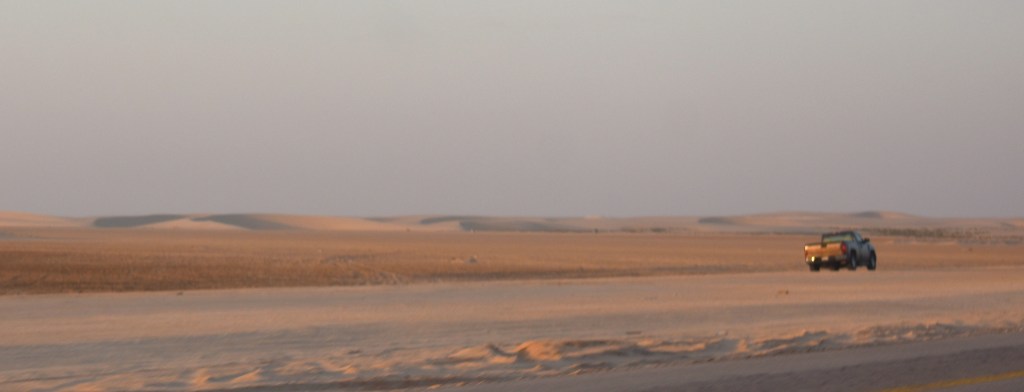
    By the time Gail and I met Chris ( “well actually it’s ‘Christ’ “, he confided within the first 30 seconds ), he had seduced most of the young women travellers who were staying on the encampment, partly because he was handsome, but also because he had all kinds of tales about being in contact with Mary Magdalene (“alive and well and working as a waitress in Sydney” ), Joseph (“got a nice little shop in Hackney, very happy”), and of course himself, self styled as Jesus – right there in the flesh and blood, and in the Sinai Desert to boot .

  • Perhaps one trick is to keep changing

    by JM

    It’s quite risky jettisoning yourself sharply into a contrasting life to the one you’re in, but for me it usually works if I need a decent jolt-up.

    I undertook one of my livelier pulling-the-carpet-from-under-my-feet schemes when I was 22, and searingly disappointed with my trainee journalist job on a newspaper in an ugly town in the north of England.

    At that time, the kind of stop-gap thing that was fashionable was sleeping on the beaches on Greek islands in the sunshine drinking retsina for a few drachmas, or working as volunteers on a kibbutz in Israel/ Palestine ( you choose the name ).

    I decided to resign from my dreary cub reporter job on the weekly paper, The Barrow News, and had a few months to kill til the Next Thing, so I wrote to various kibbutzim, was offered a post, and flew to Jerusalem.

    I’m afraid my motives were not lofty or humanitarian, or even idealogical ( there was a lot of laudable utopianism involved in the kibbutz movement ). No, I went mainly because I knew that there’d be partying, socialising and fun with kindred spirits from all over the world – and it would be new and fresh and warm.

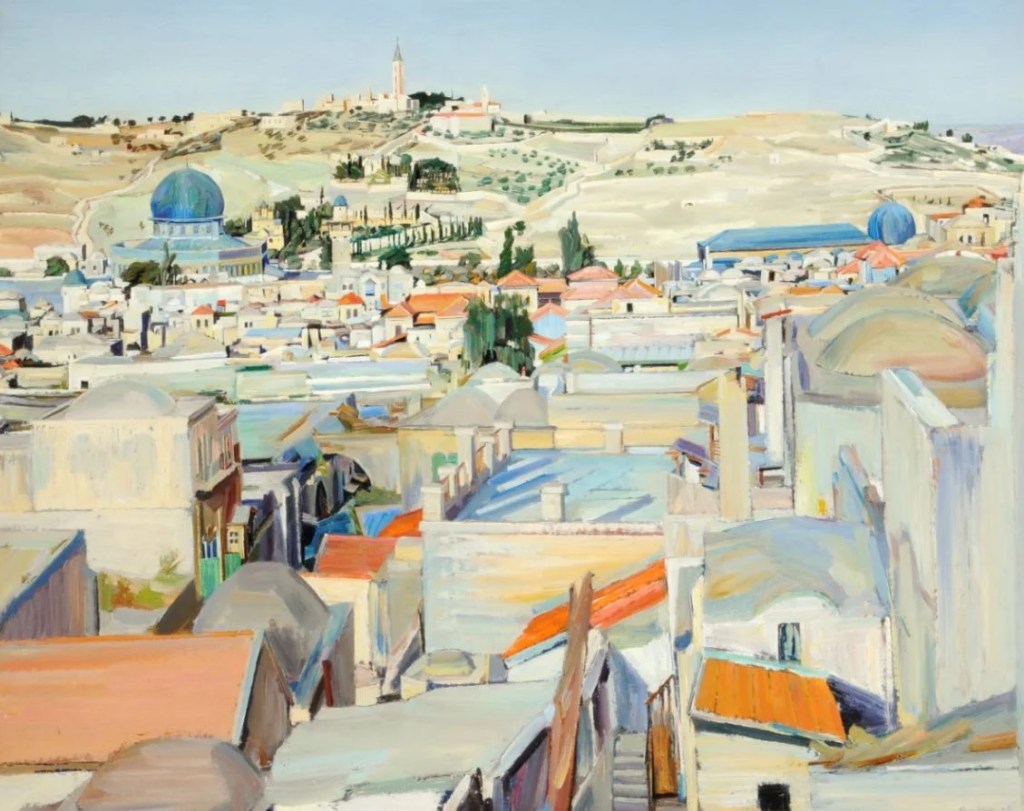
    Jerusalem was like something out of the illustrated version of the Bible we had had as children. It was thrillingly, well, foreign too, made me feel alert, enthralled me with its meuzzin wailings, and intense sense of things going on.

    I had a few adventures there and in Tel Aviv, then settled into Kibbutz Ma’anit, an hour’s drive south of Haifa, for three glittering months.

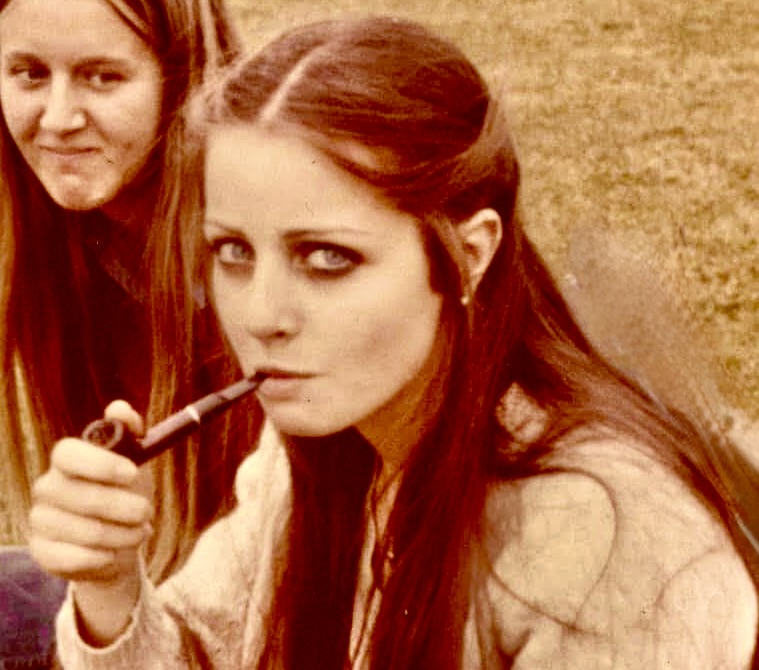
    I shared a sprawling untidy room with a pukka and charismatic girl called Ginny, a classical pianist, and a tiny animated Berliner called Antje, who read out Rilke over a glass or two of wine every so often, and the Swedish girl next door used to smoke a pipe on her doorstep.

    ( next tale: An Intriguing Encounter in the Sinai Desert )

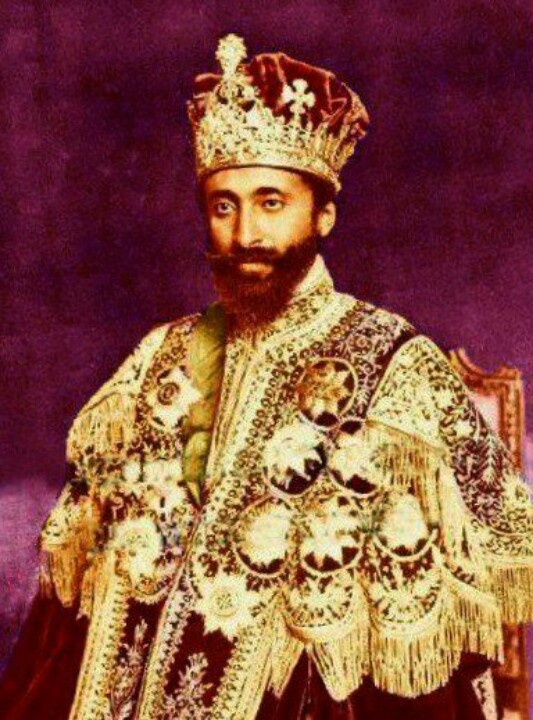
  • Did Haile Selassie also make it to Abruzzo ?

    by JM

    Natural beauty is great but I find it can often get pretty dull, and there’s a limit to how many times you can drive round the Abruzzo Apennines and still be awed by the same mountains again and again, even though the things on them like snow, trees, flowers – and even grass – are in constant change.

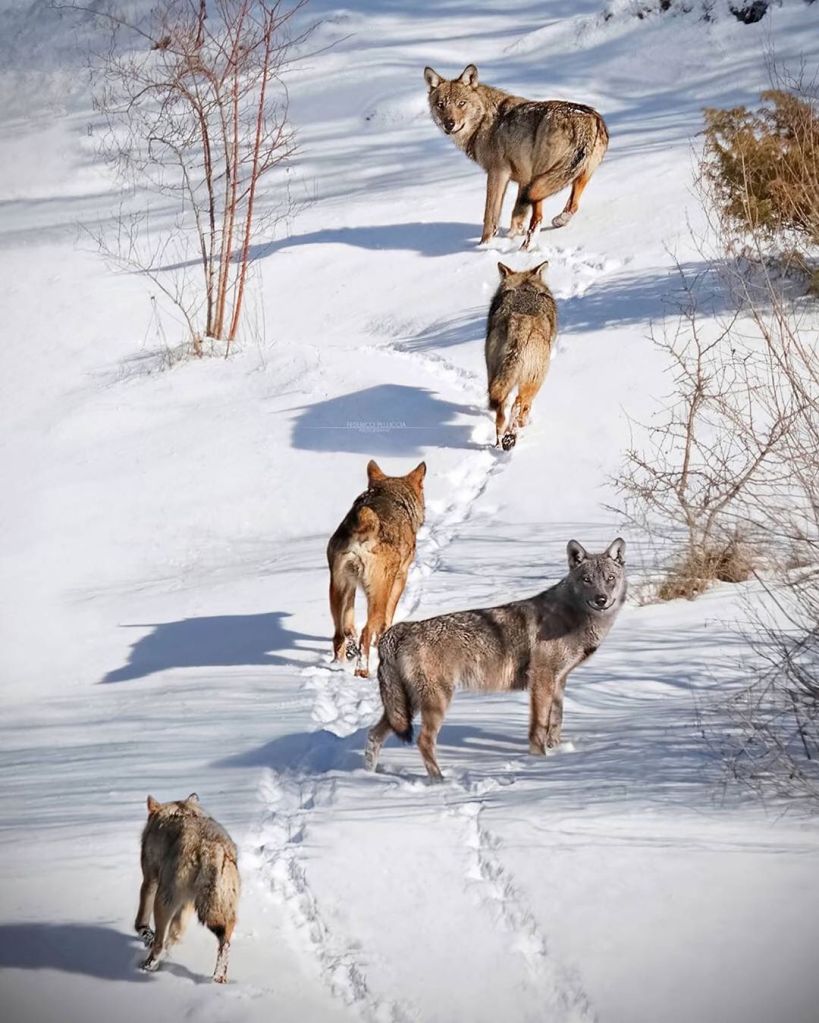
    There’s no chutzpah or dopamine fix involved in watching the grass grow, that’s for sure ( I prefer to think of myself more as the Maserati and Greenwich Village type ), but I suppose you do get the odd wolf or hawk to liven things up a bit at times.

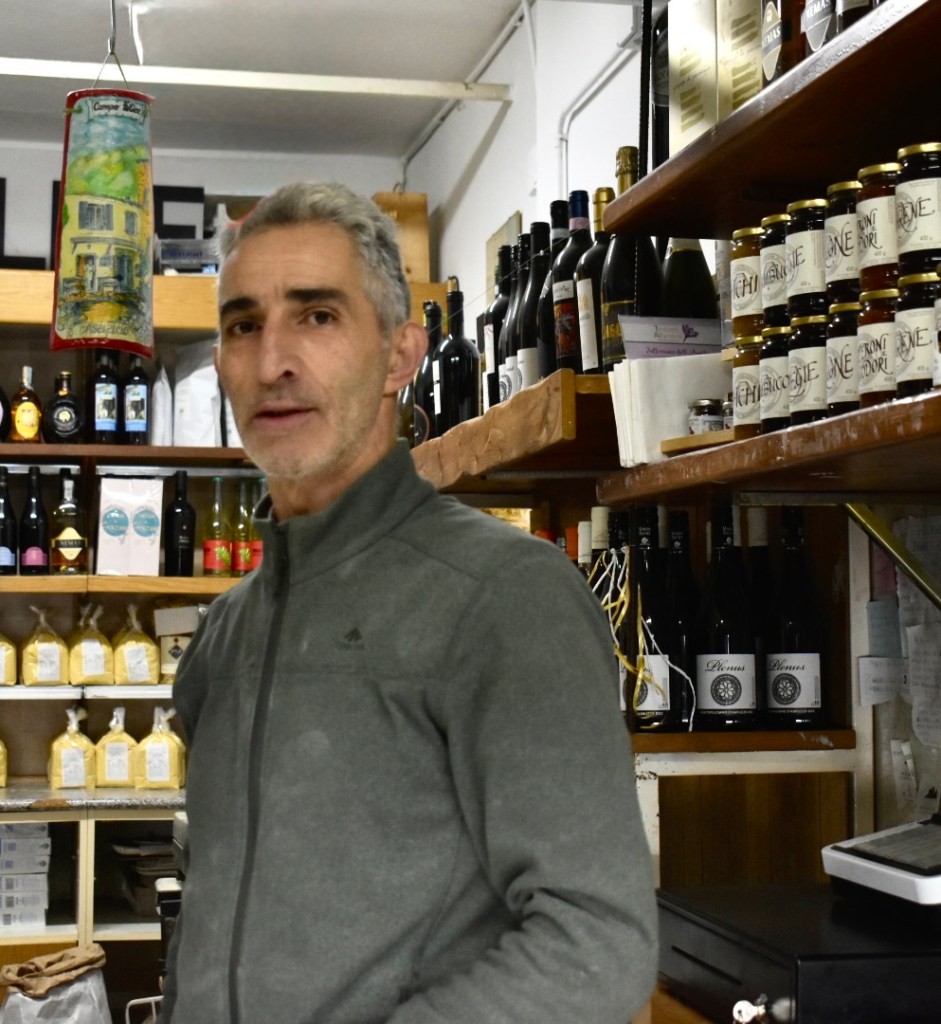
    Meeting someone like Marco, here in his shop in the tiny hamlet of Collimento, away up in the middle of nowhere, also adds some zest to these beautiful but repetitive mountain drives.

    As he was carefully scooping maize flour into glossy bags ‘for the Roman tourists at this time of year, they come to ski, ‘ Marco told me that his business has its roots in Ethiopia, which I liked as another quirky and incongruous little scoop to round off the day.

  • Bitcoin, Brits & Abruzzo

    by JM

    A great friend of mine in the Cotswolds told me yesterday that her neighbours had been round for Christmas drinks and she’d had to escape alone to the kitchen after telling one of them that she was so bored with listening to him ‘droning on for hours about his bloody bitcoin losses’ that ‘ even loading up the dishwasher was more interesting.’

    *

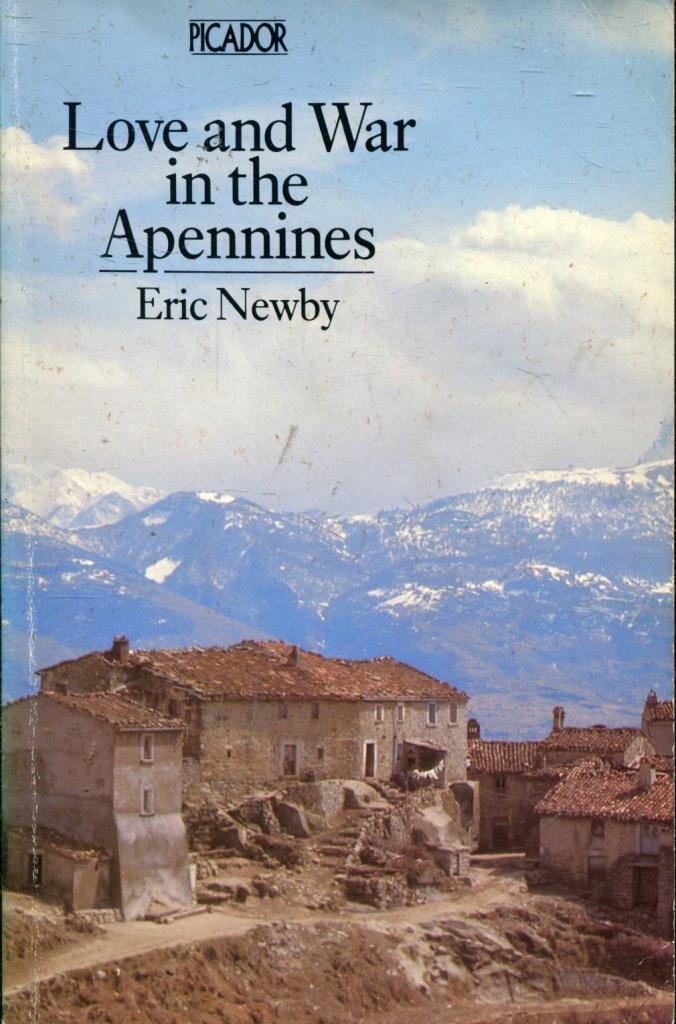
    The English travel writer Eric Newby (1919-2006 ) escaped from a prisoner of war camp in Abruzzo during WWII, and one of the reasons I came to live and work in this region was the photo on this edition of his memoir. Also I liked the title – prophetic perhaps – and the book itself, of course.

  • It’s not what you think

    by JM

    (It’s just 10 seconds)

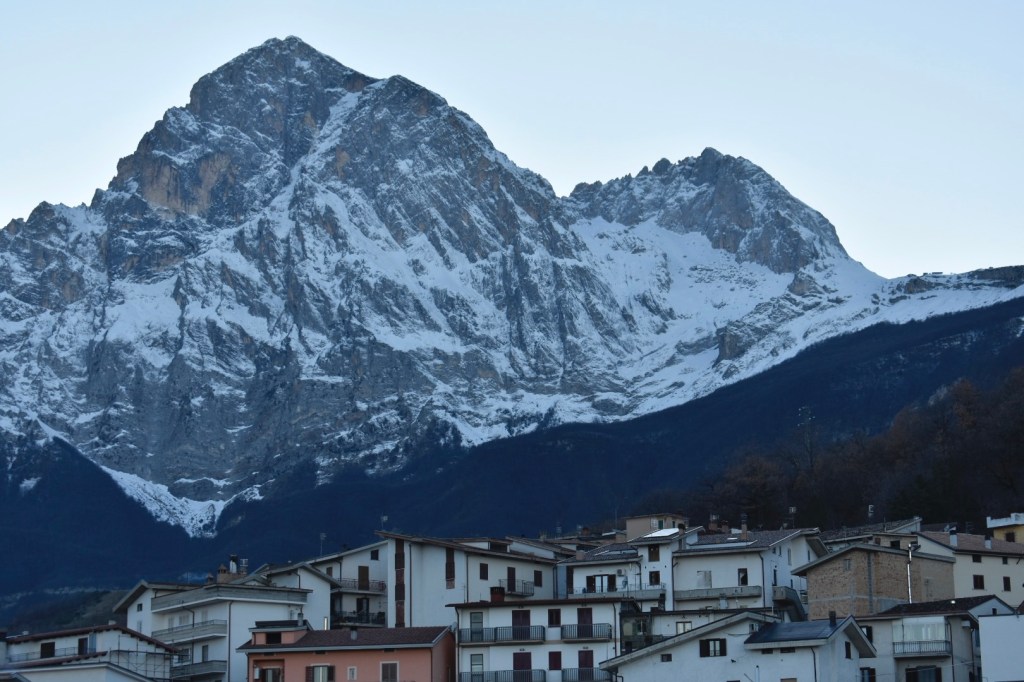
    Happy as I had been for hours today reading the Sunday papers at the fireside here in Abruzzo, my Calvinistic upbringing eventually compelled me to Get Off My Backside around 3pm and I took a fast motorway drive to the other side of the mountain in the image below. Translated into English it’s called – as many mountains are – the ‘Big Horn’ ( Corno Grande ).

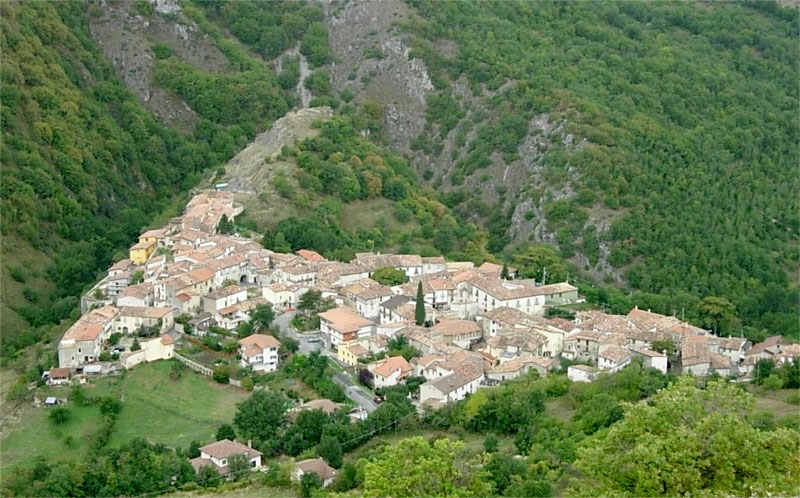
    It may be a common name for a mountain, but it’s the only version you get in Italy, and it’s here in the region of Abruzzo. Also, bleak, isolated villages like this one give everything around here the other-worldy quality I love.

  • Roosevelt on St Stephen’s

    by JM

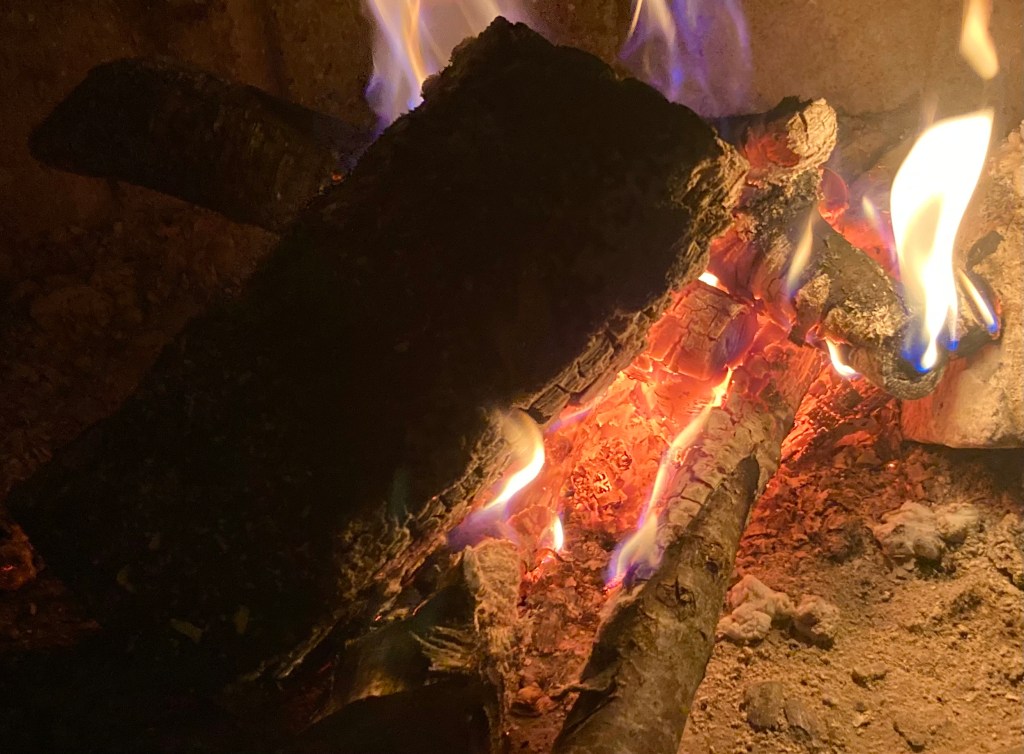
    I learnt recently that Roosevelt gave ‘Fireside Chats’ on the radio every Sunday evening between 1933 and 1944. I have no intention of boring you to tears with 11 years of idle chitchat, but I quite like that folksy Mom and Pop idea ( ‘couthie’, to use a Scots word ), and I am actually sitting at the fireside here in deepest coldest bleakest Abruzzo, chatting to you – for a few seconds anyway.

    Abruzzo is a region in Italy, and Italy is still a generally Catholic country, so it’s difficult not to be aware of the various saints’ days and Christian traditions. Today it’s the turn of St Stephen, whose cruel means of murder reminds me of the ‘not throwing the first stone’ aspect of things.

    In Ireland though, December 26 is celebrated as Wren Day, and that looks much cheerier: https://www.irishtimes.com/ireland/2023/12/27/those-that-went-before-us-kept-it-going-from-generation-to-generation/

    Wren Day – no stoning to death on the Emerald Isle

  • ..til we go viral… :-)

    by JM

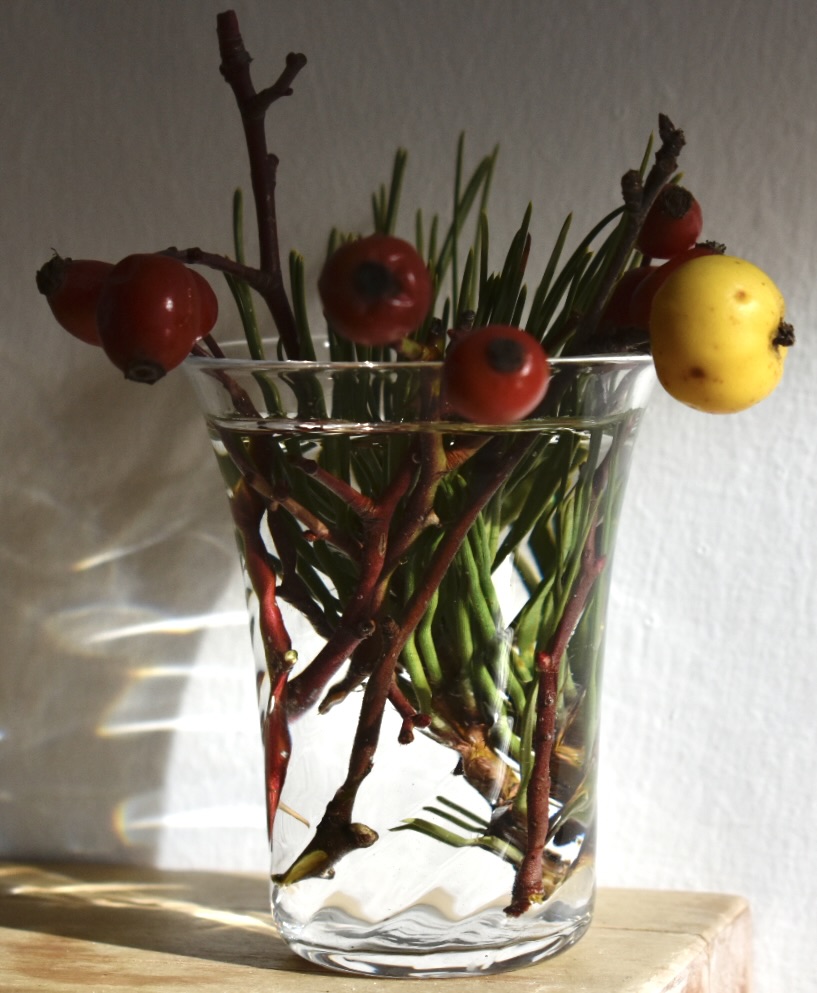
    ..a Christmas arrangement from this morning to thank you for taking the time and interest to read this blog

  • Clamjanfrie from deepest, coldest Abruzzo

    by JM

    Up here in the mountains of Abruzzo, one of the coldest and most isolated regions of Italy, it’s not your dolce vita, spaghetti, sunshine and Maseratis. It’s not sophisticated or sleek, and gorgeous young people don’t laugh and flirt in the vibrant sunlit streets from morning til night. Granny isn’t nattering with her matronly pals and shelling beans in some shady corner, and mamma certainly isn’t gazing lovingly for hours over a simmering sugo in the kitchen.

    No, Abruzzo’s none of that glib claptrap at all, and if you have the patience and interest ( and if I do too), I’ll write us little stories about other kinds of Italy.

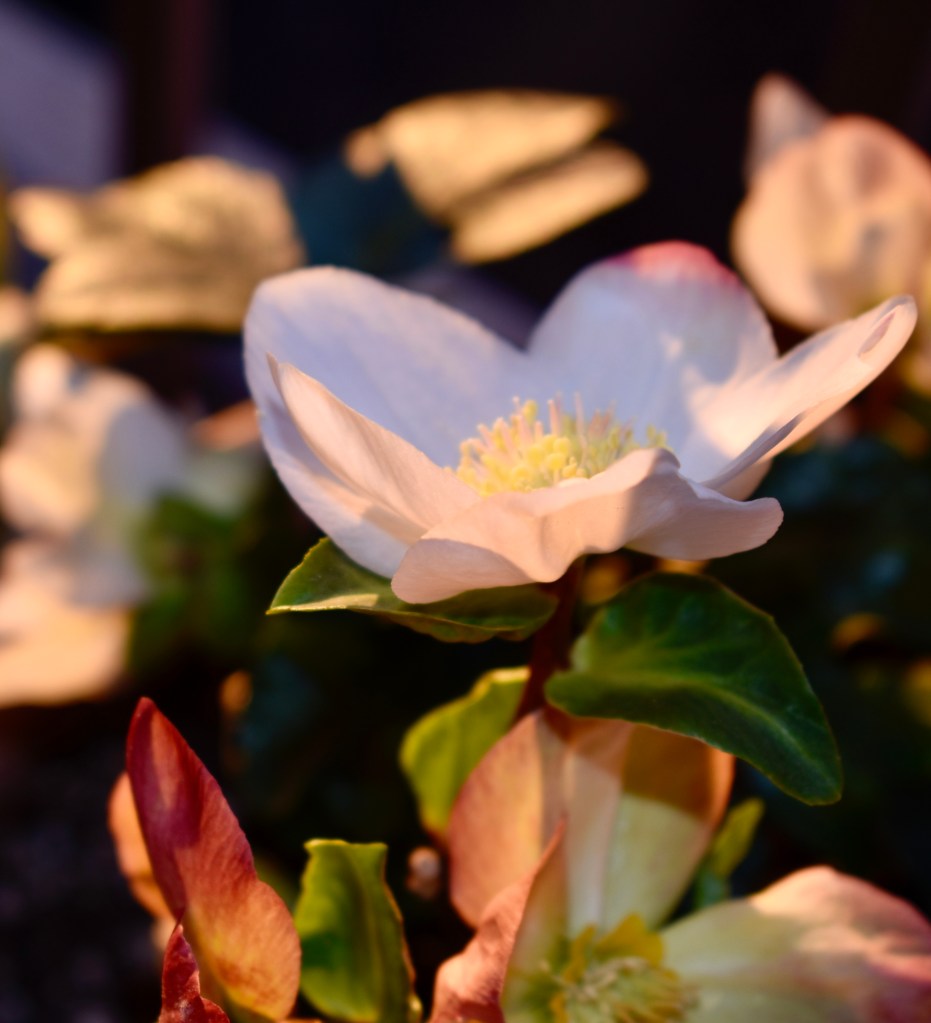
    No glib claptrap for Abruzzo: a winter rose this morning