WINTRY TALES FROM THE APENNINES

Out There & In Here

  • Saudi Arabia – Mme Lumière at the ambassador’s party

    by JM

    One of the reasons I am thankful for my time in Saudi Arabia – I first went in 2013, when it was closed to most foreigners – is that it gave me the chance to be invited to social events which as an English instructor I would never otherwise have had access to. Here is another little vignette.

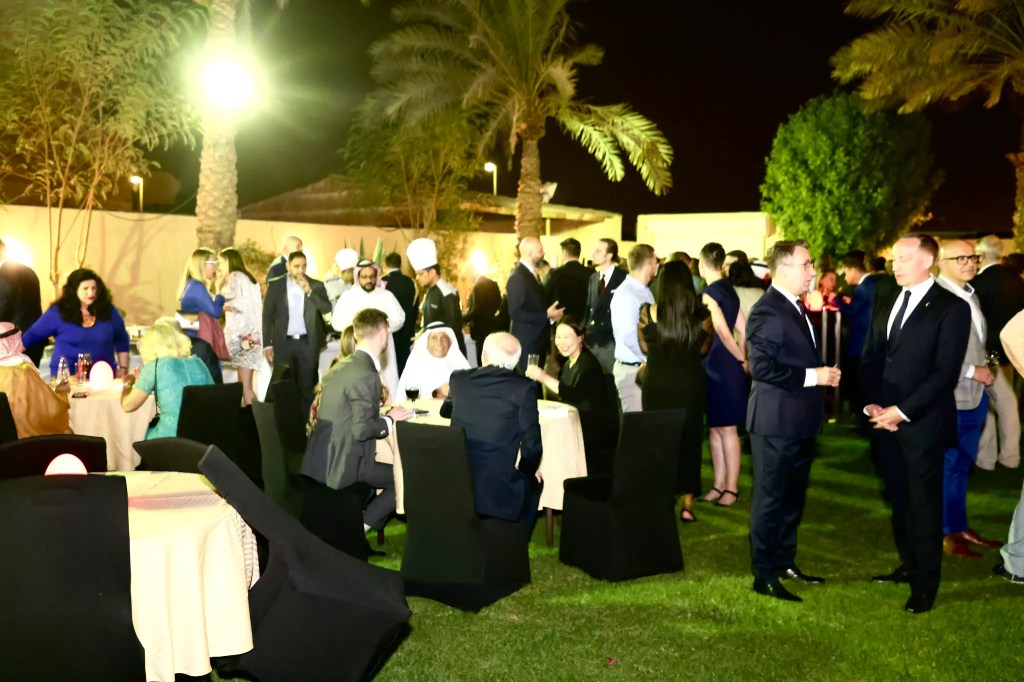
    We were standing in the beautifully-furnished reception room of the Herzlovakian ambassador’s private residence in the Diplomatic Quarter, Riyadh.

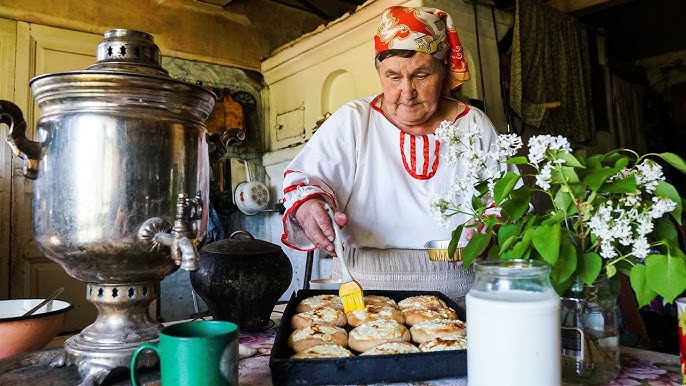
    I had just arrived and been introduced to the ambassador himself, and his matronly clumpy-heeled wife, who looked like she’s be more at home boiling up dumplings in a dacha somewhere than being polite to total strangers in a fairytale-beautiful reception room in the middle of the desert.

    His Excellency Cszimiercz Dragomirov took my hand to kiss it, and in a way I have noticed in very polite elderly men in Central Europe, his lips stopped just a few millimetres above the skin. Nothing of any relevance was said, of course, but I enjoyed it.

    Outside in the gorgeous warm air , refined guests were exchanging the usual platitudes ( though not always and not only ) around the floodlit swimming pool, and liveried staff pattered here and there serving canapés and the most exquisite of wines.

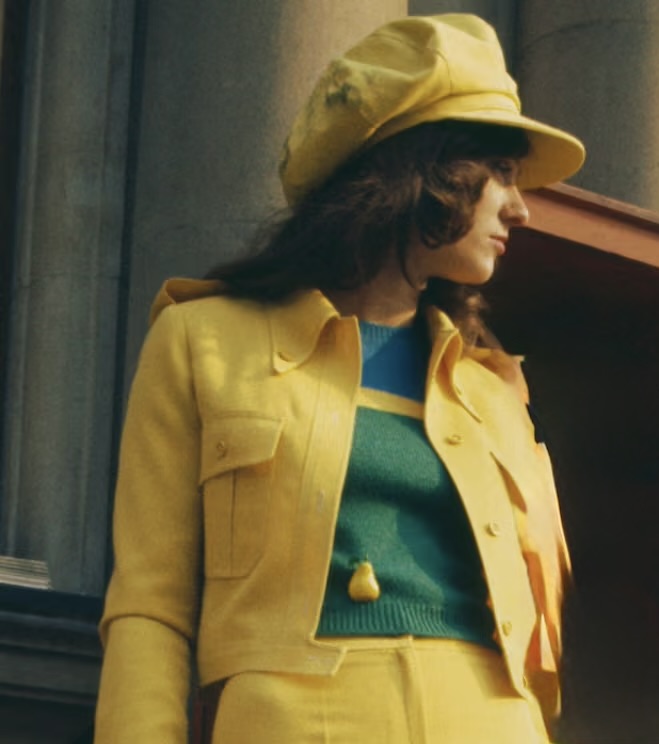
    A figure in a trouser suit reminiscent of a James Bond character of the 70s , with hairstyle to match, caught my eye, so I moved over to join her circle and listen in, to work out her nationality, learn a little before deciding on my next step. I was welcomed by an intense, clever-looking young woman, whose accent was alien to me:
    ‘ ….Armenian. I’m a violinist. Have to keep it quiet here in Saudi, of course, not allowed to perform in public places – music is barred you know – but here’s my card. ‘

    Trouser Suit picked a smoked salmon delicacy from a proffered silver salver and thanked the Indian waiter.

    ‘Ah, a violinist ? Have you met Flavia D’Ascannio ? She plays the harp. Her husband’s the Italian ambassador, you know; utterly charming.’ She turned to me.’ I don’t think we’ve met…I’m Madeleine Lumière.’

    I introduced myself, said also that I’m Scottish.

     Ma chère écossaise. We have Maria Stuart, Queen of  Scots in common ! That dreadful English Elizabeth was no match for us !’

    Astonishingly, she winked at me, and her eyes sparkled with mirth. ‘Now come with me and I’ll introduce you to Justine Lajoie, she writes, you know. You do speak French, don’t you ? ‘

  • Parma Ham & the Chinese Professor

    by JM

    Now that I’m 69, I’m quite enjoying a bit of local cub reporting but I’m not sure the people I focus my eagle eye on find it quite so pleasant.

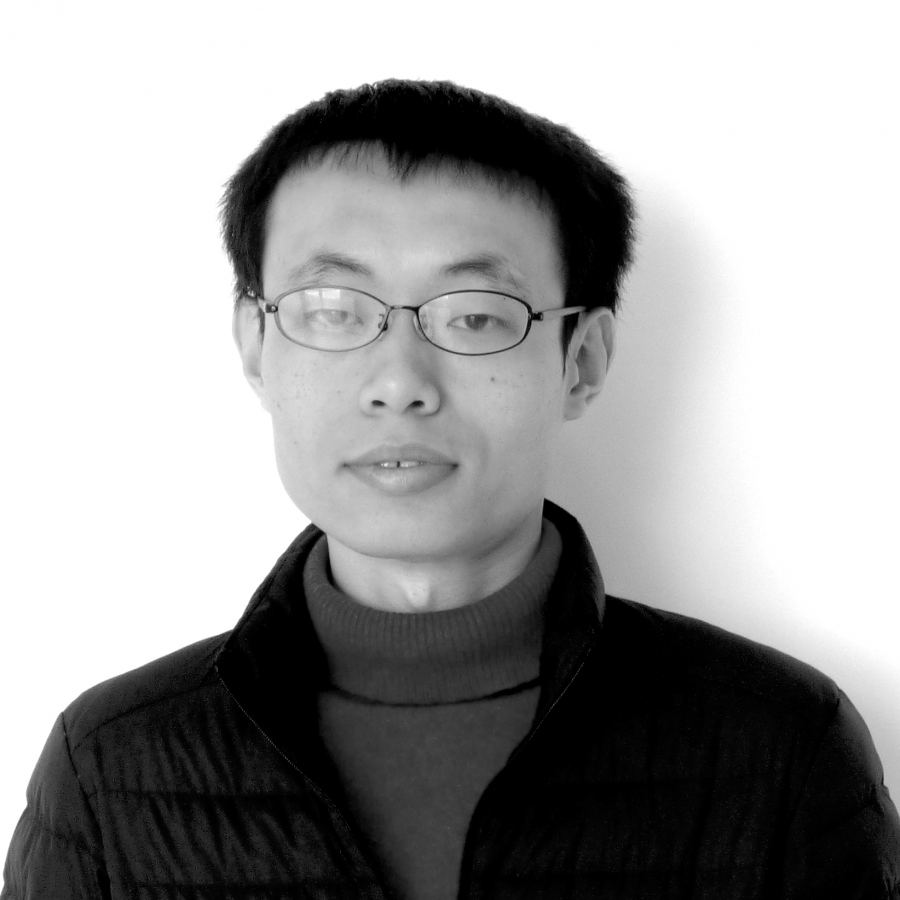
    Like Lu Xu below, an unwitting recent target that I fell upon at an event yesterday the Gran Sasso Science Institute, a prestigious international PhD school and research centre here in L’Aquila, Italy.

    We were at the opening ceremony of the institute’s new Visitor Centre. Local dignitaries were there and quite a few eggheads too of course, and there was an unusual art installation, an experimental violin recital and the entire thing had a warm, couthie feel to it.

    On arrival I had ‘worked the room’ and spotted someone I thought would be enlivening for a quick chat. He was Asian, and outsiders often have fresh things to say.

    I had also immediately clocked trays of meticulously-prepared Parma ham crostini, canapés, and prosecco being carried into a little marquee nearby ( by an agile grey-haired man in expensive shirt and Ferragamo trainers) so was looking forward to a bit of delicious grub after trying to speak to the Asian guy.

    * * * * *

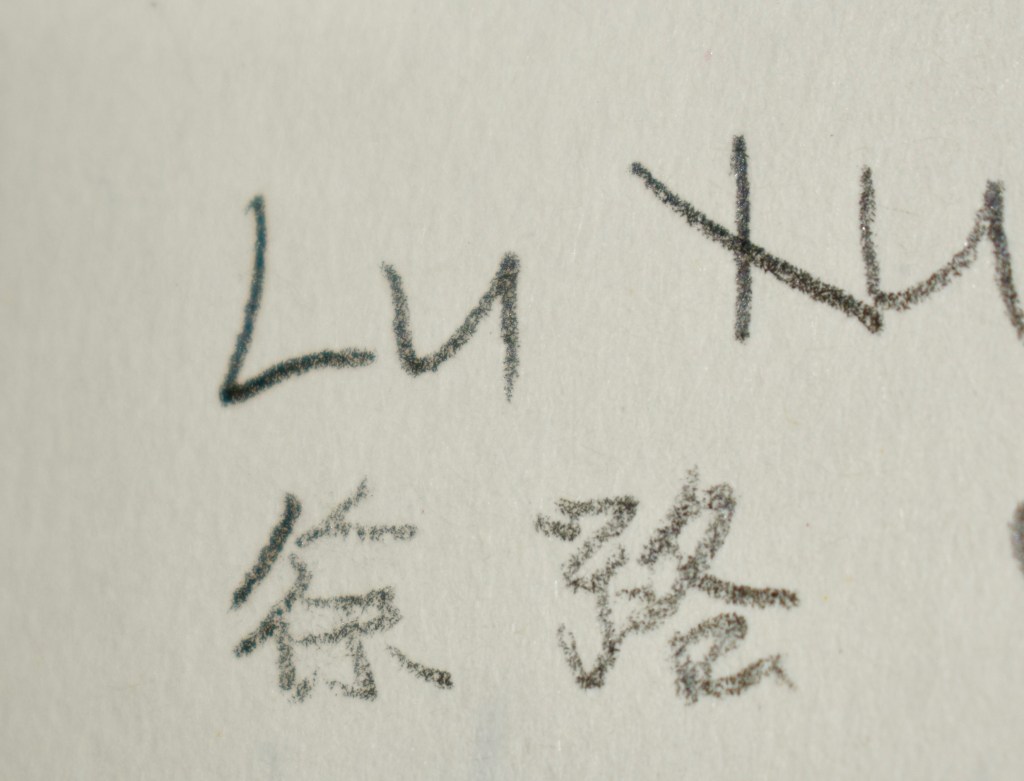
    “That’s my name in Mandarin, I’m from South East China, not so far from Shanghai. I’m a professor of mathematics. I’ve been here in L’Aquila for 6 years, love my job – my students are very motivated. They’re from all over the world, it’s interesting, it’s good.”

    Lu Xu was shy, respectful, unaffected and charming….also kind and open enough to speak to me, a total stranger.

    My questions for another time are these, though: Yes but what does it feel like to be a Chinese academic living in small-town Italy? Why did you come ? How are the classroom dynamics in your lectures ? Are the Eurocentric ideas of China accurate, in your opinion? As a brilliant mathematician, are you optimistic about the future ? Do you like Parma ham ?

    We did discover however, that we shared something else apart from our five-minute conversation yesterday; we had both lived in L’Aquila and Tokyo.

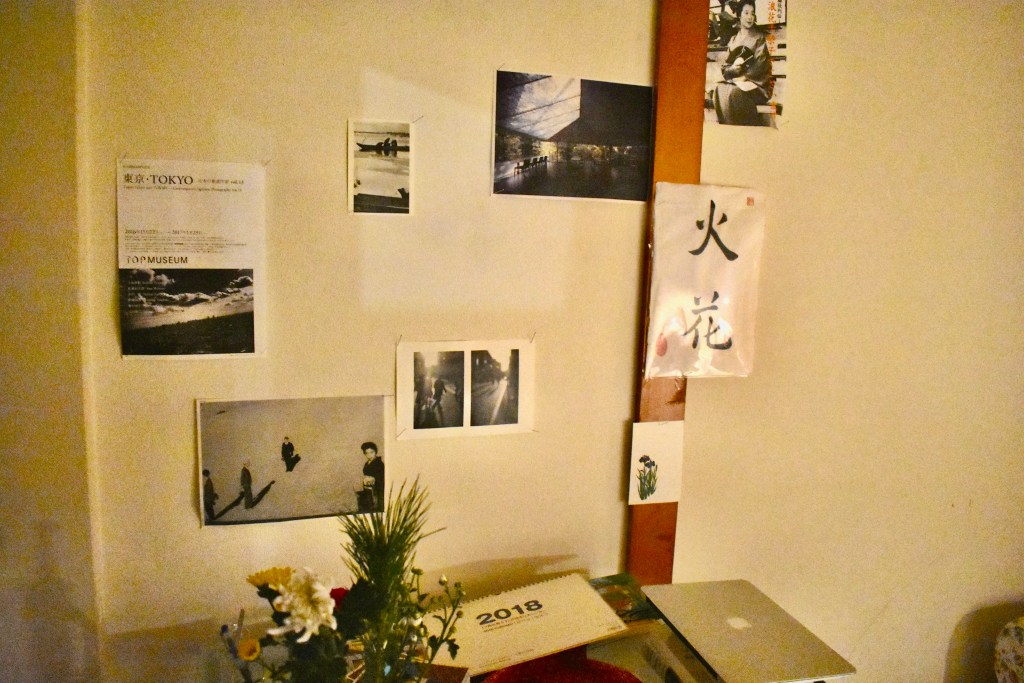
    ( photo below from a few years ago, of my desk wall at Asia University, Muasashino, Tokyo )

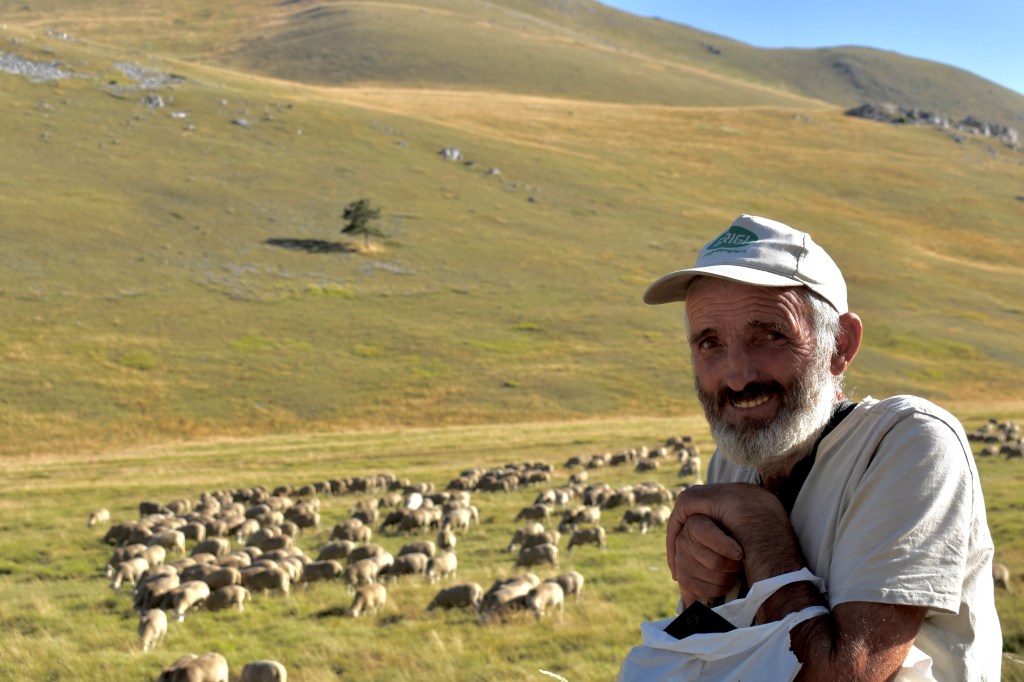
  • Tito, Hoxha & Black Sheep

    by JM

    ” No such thing as a black sheep,” he explained, as I pointed at one in the flock.

    ” Sheep are all the same. The black ones aren’t any different from the others, they’re just black”.

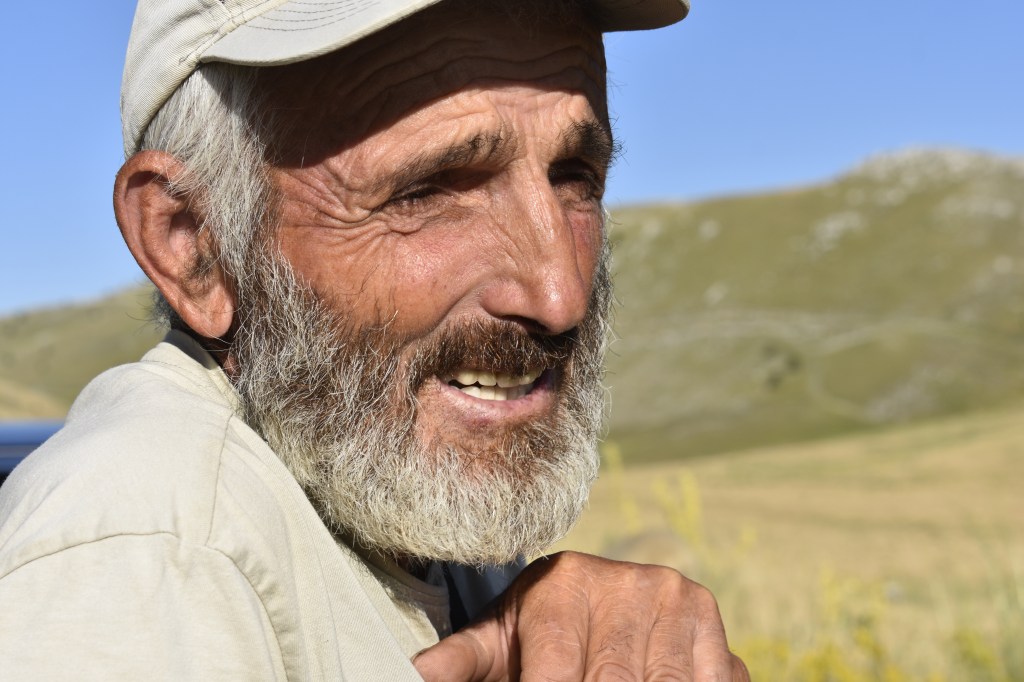
    This was Zufar Suleman, a North Macedonian shepherd I met last week on a mountain plain not far from where I live.

    As we talked, one or two of his sheep trotted mindlessly onto the road, hooves clacking on the asphalt, and Zufar thwacked his stick on the ground to get them back onto the grass.

    ” I never hit my sheep. You can see they’re not afraid of me. They wouldn’t stand so close if they were. ”

    * * *

    I like a new person to chat to, and Mr Zufar Suleman did too.

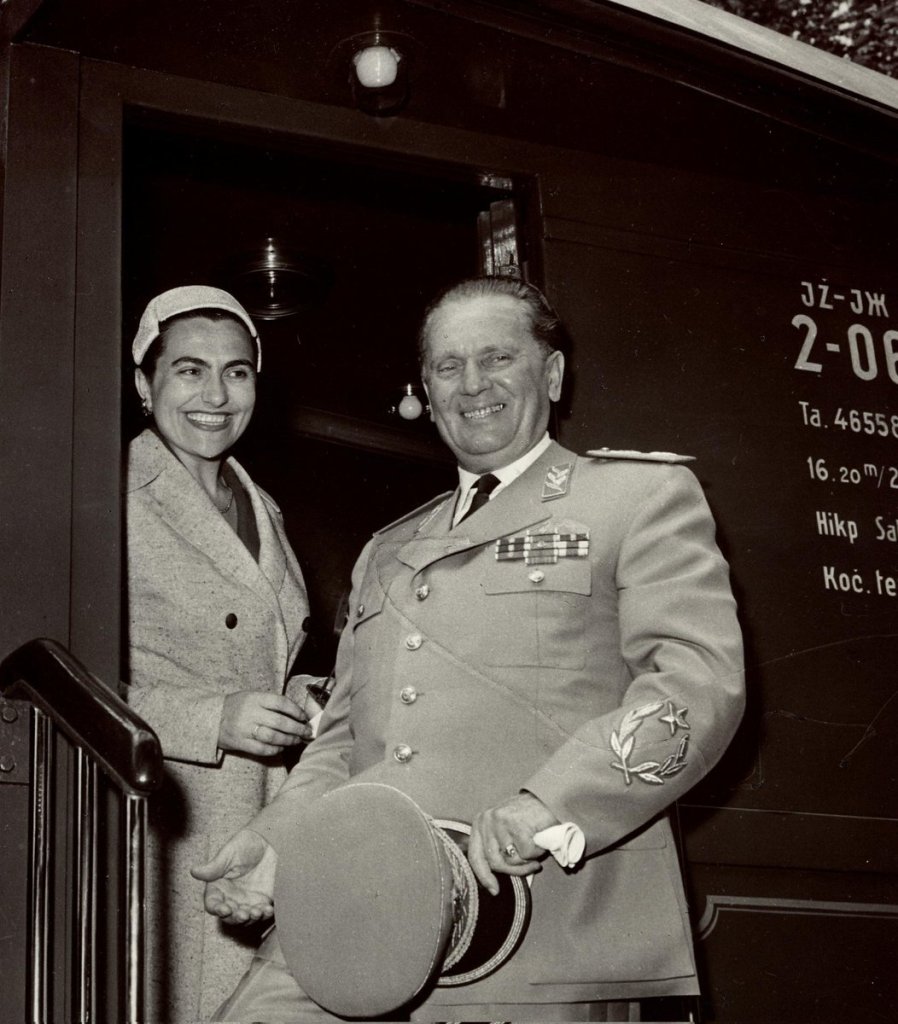
    “They never get the spelling right in the post office. Suleman means ‘peace’, you know, not that we had much peace in Macedonia. Tito’s first wife was Serbian, of course, that’s where all the trouble all started.”

    ” But my parents were from Albania. We had Hoxha there, remember ? “( I did remember Hoxha, from my fleeting engagment with stamp collecting in childhood, and I remembered another dictator of Albanian origin, one of my bosses in Saudi Arabia ).

    “The Italians were in Albania, twice, before the communists. When I first emigrated here to Italy, they tried to deport us back to Albania, offered us a bit of cash but I like it here and I like my work. I’m healthy and I’m outdoors. Never taken a pill in all my days, but I got the covid vaccination. My son Najden – he lives in Hamburg, wife’s from North Macedonia – forced me to”.

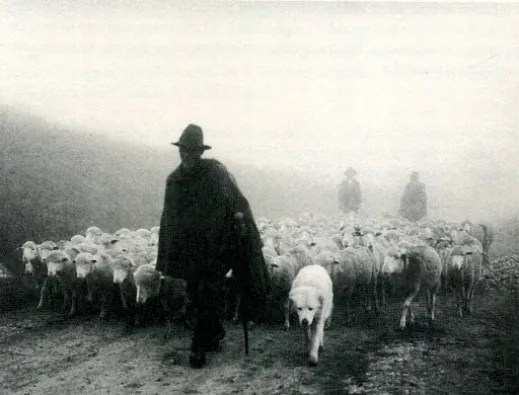
    “I have a new boss now, a woman. I used to take sheep to other places but this summer I’m here. I don’t like it too much because there’s no shade, and the tourist camper vans upset the sheepdogs at weekends so I have to keep moving. I usually live in Foggia with my wife and we’ve got two daughters there. It’s 200 kilometres away, and that’s where the sheep spend most of the year.”

    I was about to ask him if he walked all that way here with the sheep every summer, like they used to do, but he pre-empted my question, and gave me a this woman has no idea about anything look, though it was a gentle one.

    “They get driven up here in lorries and I follow them in my van. That’s where I sleep when I’m looking after the sheep. I’ve been in Italy for 35 years now, pension coming up soon. But I’ll keep working. I’d miss the sheep…and maybe they’d miss me too.”

  • A bedouin drops by

    by JM

    I was excited and gratified to have had Mohammed over here in the Abruzzo region of Italy the other week. It’s long been a goal of mine to see a Saudi woman ( not one of the contemporary young ones, but one wearing a black abaya and with her face covered ) walk along the streets of L’Aquila because the visual and cultural juxtaposition of conservative provincial Italy with conservative provincial Saudi Arabia is a ludicrous kind of an idea – exactly why I liked it.

    Mohammed is not a woman and nor was he wearing traditional garb, but he does come from Saudi Arabia and he did walk along the streets of L’Aquila.

    He’s an archeologist and also I discovered he is a bedouin, from the Empty Quarter, down there on the Yemeni border, and I’m very happy that he came here and connected our two worlds.

  • The shock of no longer working (in a rural setting, but anywhere)

    by JM

    Well I’ve got to the stage now of being truly numbed into vapidity by the utter greenness of everything around here, the endless nature all over the place, the hills, the space, the slowness, the stability, the church bells, the repetition, the sheer unchangingness of the whole flaming lot.

    When a man is tired of London etc ; go online.

    I’ve been making some investigations over the last few days into the Zeigarnik Effect ( the interested reader will know it, or find out about it online) astrology and intuitives, then the usual things about us all being at the end of a huge energic cycle, ‘radical regeneration’ and suchlike. Also I looked into relatively recent research into telepathy ( and its connection with autism, some believe ), which an Indian friend told me about in Delhi a few months ago.

    And I have a cheery, life-loving current airbnb guest so there’s been some good chat there too. In the flesh and face-to-face.

    Made my bed, brushed my teeth, watered the plants, emptied the dishwasher, did my steps, caught up on Whatsapp messages, counted my blessings/’acknowleged gratitude’, did some cooking, admired the view, heard the birds, skim-read the headlines, and exchanged idle pleasantries with a neighbour. Wrote this little rant too.

    And it’s still only 10.30 am.

  • Other people’s work

    by JM

    In Istanbul a few years ago a young Syrian acquaintance of mine, an artist called Toufic Hamidi, invited me to see his etchings in his flat in the Tarlabaşı part of town, and of course I went, and have enjoyed telling the tale since.

    Above is one of his pieces from when we were both living in Saudi Arabia.

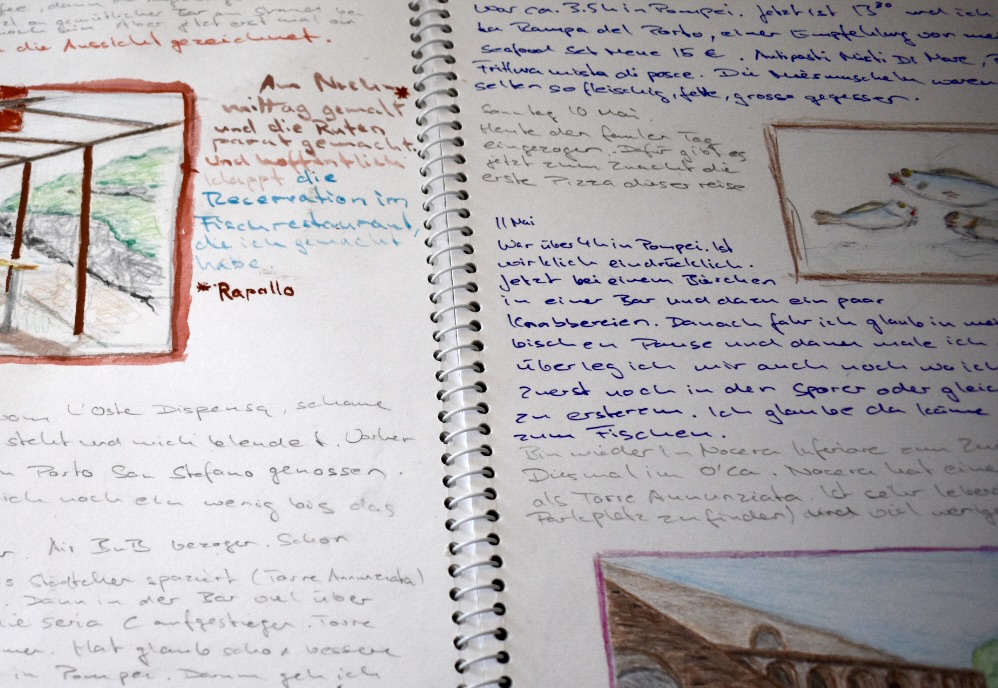
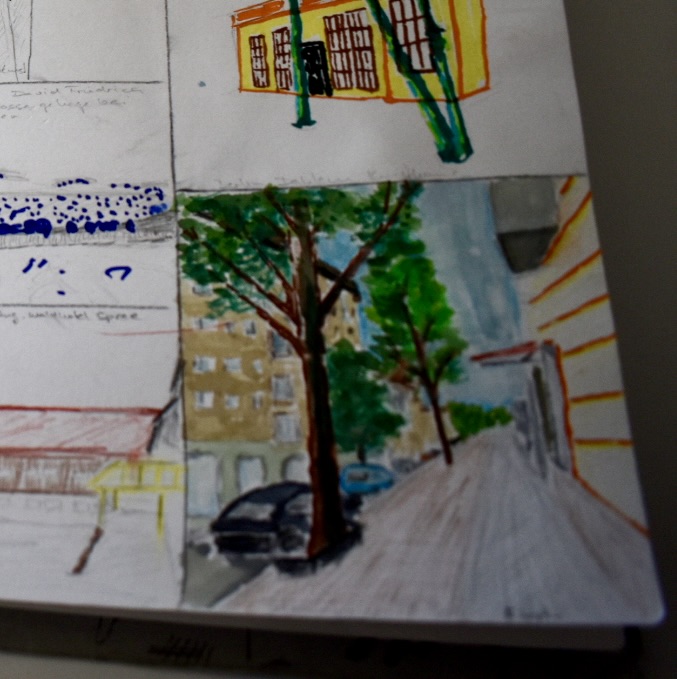
    A few weeks ago I was invited again to look at something in someone’s room, this time by a Swiss guy from Zurich who was an Airbnb guest in my house here in Italy.

    I liked his old-fashioned travel journal, with its hand-written notes and watercolours. And the love and care that had gone into its detail.

  • On ennui ( & the thrill of possibility )

    by JM

    According to some statistic or another that I picked up on a podcast this morning, I have about 7,000 days left at most.

    So since my week ahead involves seeing an old friend or two, getting an eye test for my new driving license, a boiler inspection, walking mindlesslessly backwards and forwards in the local swimming pool, hanging out the washing, ‘doing my steps’, and watering my lettuces, I’m again thinking about how to spend this precious remaining time. Broken into small chunks, though, in the best laid schemes o’ mice an’ men vein, and trying to always remember that these days might stop at any minute.

    The list of hackneyed responses comes quickly : ‘Life is what you make it’, ‘ Get some hobbies’, ‘ Help out in the local community’ , ‘Join some groups’ , ‘ Do some volunteer work’, and the worst of all, ‘Keep busy.’

    Yes yes of course, but.

  • Being locked Inside is refreshingly freeing ( Saudi Arabian compound life )

    by JM

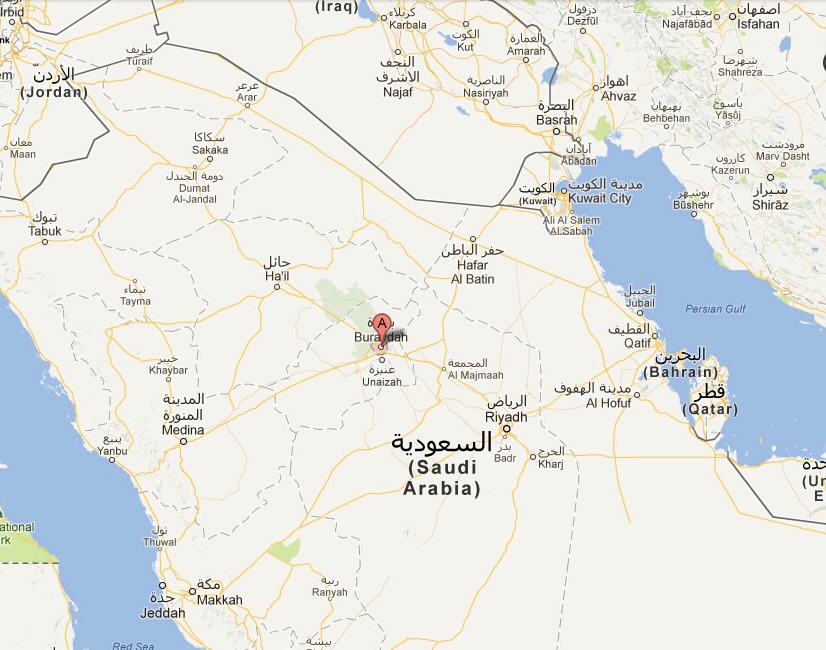
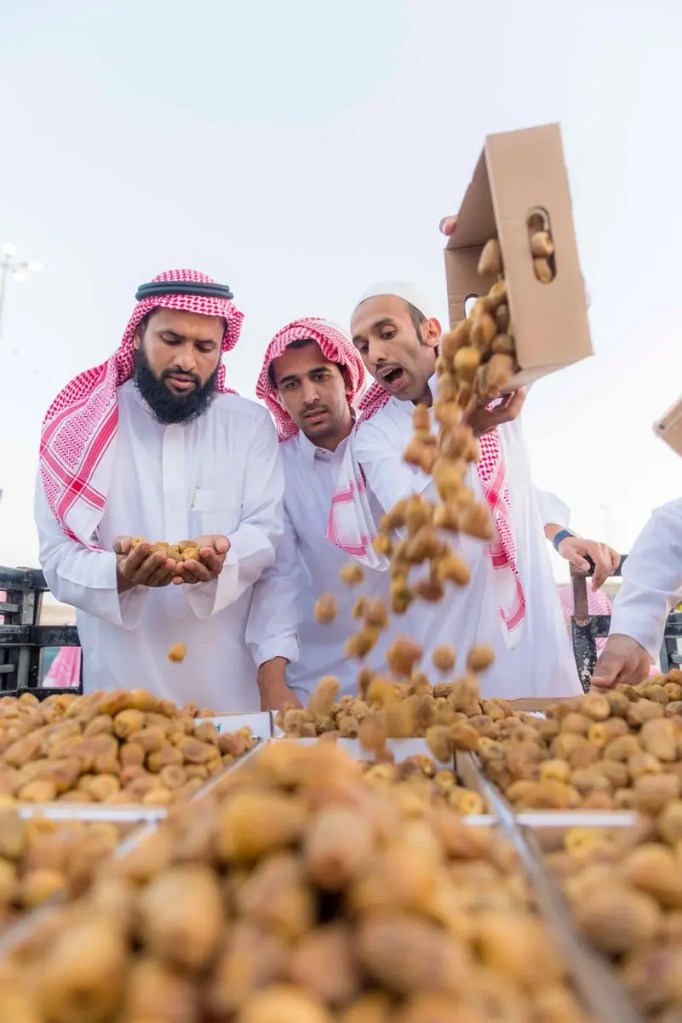
    From 2020-2021, I taught in a university in the Qassim province of Saudi Arabia, which is considered to be the most conservative part of the country. It’s not known for anything except being ‘the date capital of the world’, and it’s more or less right in the middle of the desert.

    I’d been out of Europe for a few years and shocked at how difficult it was to make a living on my return to Italy, and although it was great to see my old friends again, drive my car, use my own crockery and cutlery in my own house for a few weeks, I was soon restless and curious as usual, and was grateful to get the chance to work elsewhere another time.

    I missed the energy of the Middle East, its young population, the heat, the sunshine, a good income, and some new experiences and opportunities.

    Also I knew I’d be living on a compound so wouldn’t be shackled by the responsibilities of running a household, paying bills, getting things repaired, doing housework, or even worse, gardening.

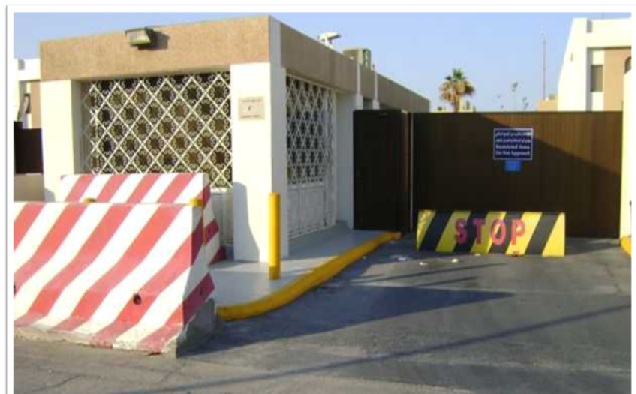
    Compounds are gated, usually relatively luxurious communities where expats are housed in Saudi Arabia, and accommodation on them is offered along with good job contracts. Some compounds had tanks, armoured cars, and guards with machine guns at their entrances, and barbed wire round them too, but life inside was pleasant.

    You just walk in and it’s all there for you…and there’s automatically a new collection of people around you, from all over the world.

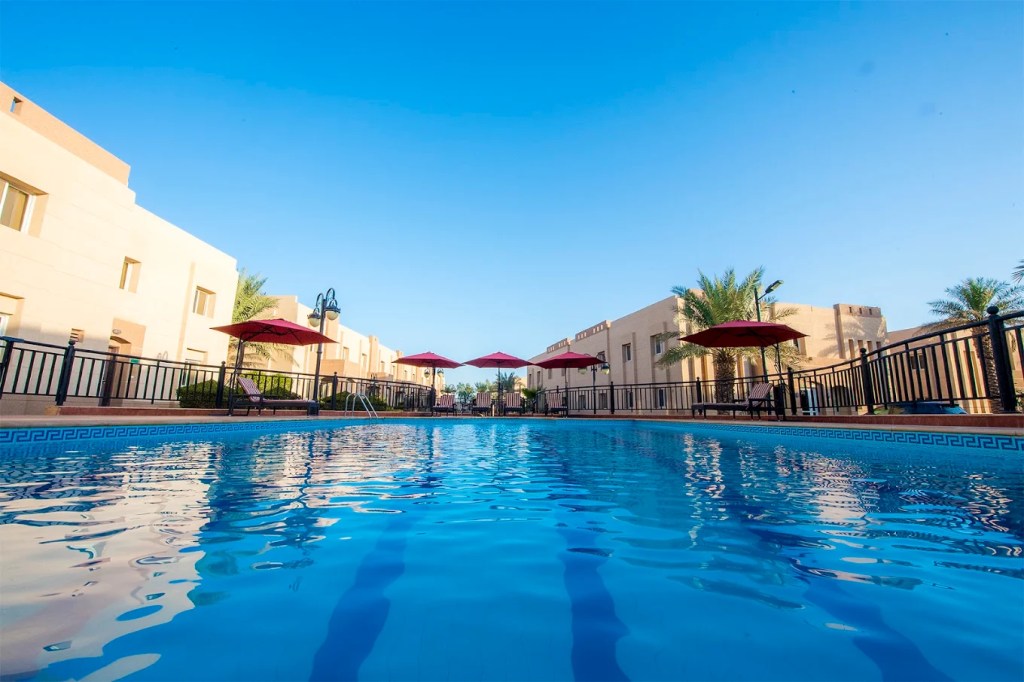
    My compound had well-tended and planned-out grounds, three swimming pools, and an interesting mix of residents as always. There were Indian dentists, Canadian businesssmen, American helicopter pilot trainers, English professional footballers, South African lecturers, Jordanian teachers, and a few reclusive American men, some who had lived there for years.

  • With the wealthy in Saudi Arabia

    by JM

    ( I lived and taught in various universities in Saudi Arabia for about 3 years, and am planning a visit back for a drive round this autumn. Below is a little about my life there. Thanks G.v.U. for the second photo. )

    Access to Saudi people other than my students came through meeting Nick, a writer and journalist from London, who was the editor of ‘Saudi Voyager’, the flagship magazine of the Saudi Ministry of Tourism. Its readers were mainly non-Saudis living in the Kingdom, and Nick and I got on well so he invited me to various press events and social occasions connected to his job.

    As usual anywhere, things got moving through word of mouth and gradually I managed to go to talks or events which were mainly targeted towards Saudis.

    One of the first of these was on Western Art ( about which many Saudis knew very little, just like most of the west still know nothing about Saudi art or artists ) held at the Alãan Artspace by a woman from New York. She and I were the only foreigners there, in a group of very wealthy, well-travelled Saudi women who were vastly elegant and beautiful and rather condescending due to this, but the New Yorker knew her stuff and managed to impress nevertheless.

    It was a fascinating opportunity to be at at event where I was a complete outsider, and in the company of people – disdainful as many of them were – I would never have met if I’d not left my previous lives.

    I later published an article in Nick’s magazine about the art gallery itself.

  • A challenging ambition – meeting Saudis

    by JM

    ( first contract in Saudi Arabia: teaching English in the capital city of Riyadh, in the world’s biggest university for Muslim women, 2013 )

    I would have done anything to be invited into the home of a Saudi person, and that was an extremely difficult ambition to achieve.

    Even the architecture in Saudi gives you an idea of just how challenging this aspiration was. Social, cultural and climatic characteristics mean that privacy is valued highly, and I spent weeks trying to work out how to get some insight into the lives of local people.

    As far as I know, most of my 250 colleagues at the university ( from virtually all the English-speaking countries in the world ) never managed this, partly because maybe they didn’t want to, or because there were embassy parties and various other diversions, and we had plenty of friendships – and emnities too – among us all to keep us engaged socially. Also, in my first period in Saudi Arabia, women couldn’t drive, so we were always dependent on drivers to get around, which of course was frustrating and made spontaneity impossible.

    I’m happy to report though, that little ways of achieving my ambition started coming in a few weeks after I arrived.