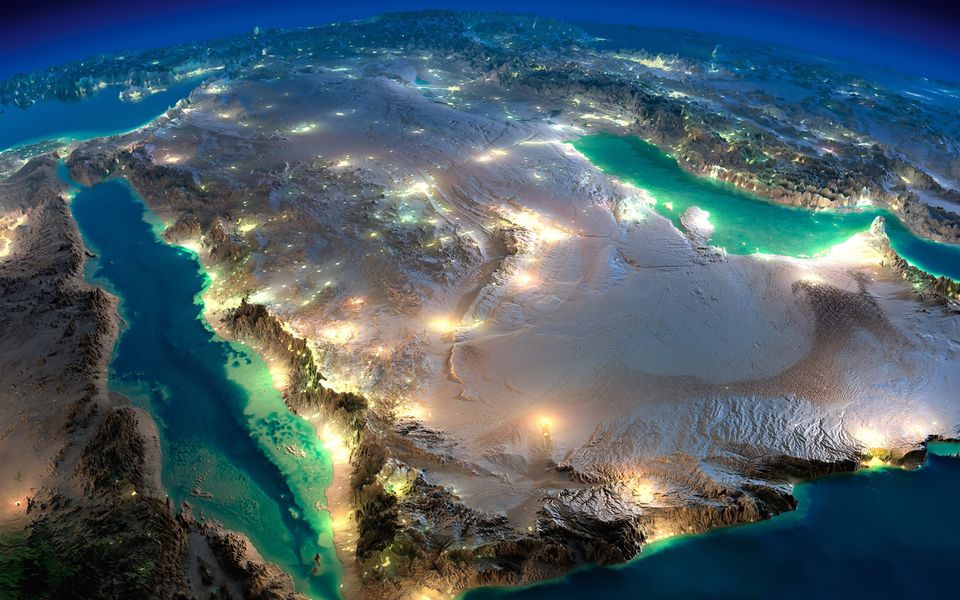
One of the reasons I went to live and work in Saudi Arabia was that I knew nothing about the country, and its hermetic nature intrigued me. Some friends criticised me for my choice due to the ‘Western’ perceptions of Saudi, and of course I had my own limited preconceptions on that topic too.
I’d already seen in my travels elsewhere that stereotypes are rarely accurate and had learnt how there can be elements of foolishness and arrogance on the part of some countries in their affection for dictating to others how to run their own nations. I wanted to have a look at things in situ for myself – if I could.
I lived and worked for a total of three years between 2013 and 2021 in different parts of Saudi Arabia and would like to report a little on my own experiences there, which might contribute towards whittling down the persistent ignorance between cultures and countries (it works both ways of course: I met Saudi women who felt sorry for the lot of European women) .
I’d also like to acknowledge those who were so hospitable to me in Saudi Arabia particularly now that sadly they’re essentially in a war zone.
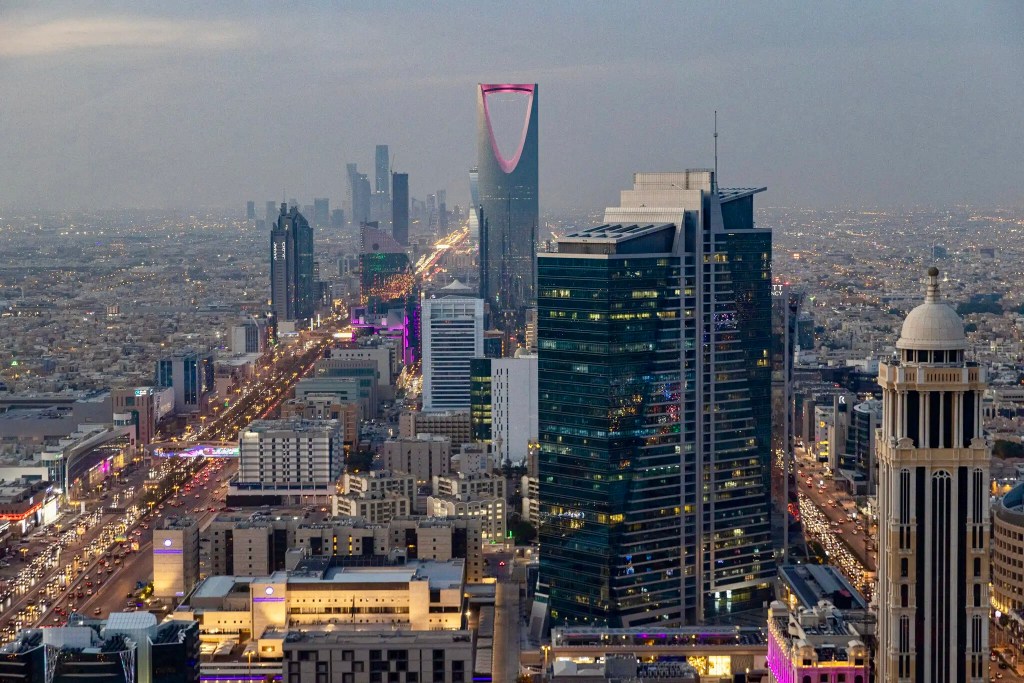
My first job was in Saudi’s glitzy capital, Riyadh (below) in 2013, and the university I was to teach in was brand new, designed by some of the world’s most prestigious architects and was next-gen unutterably beautiful.
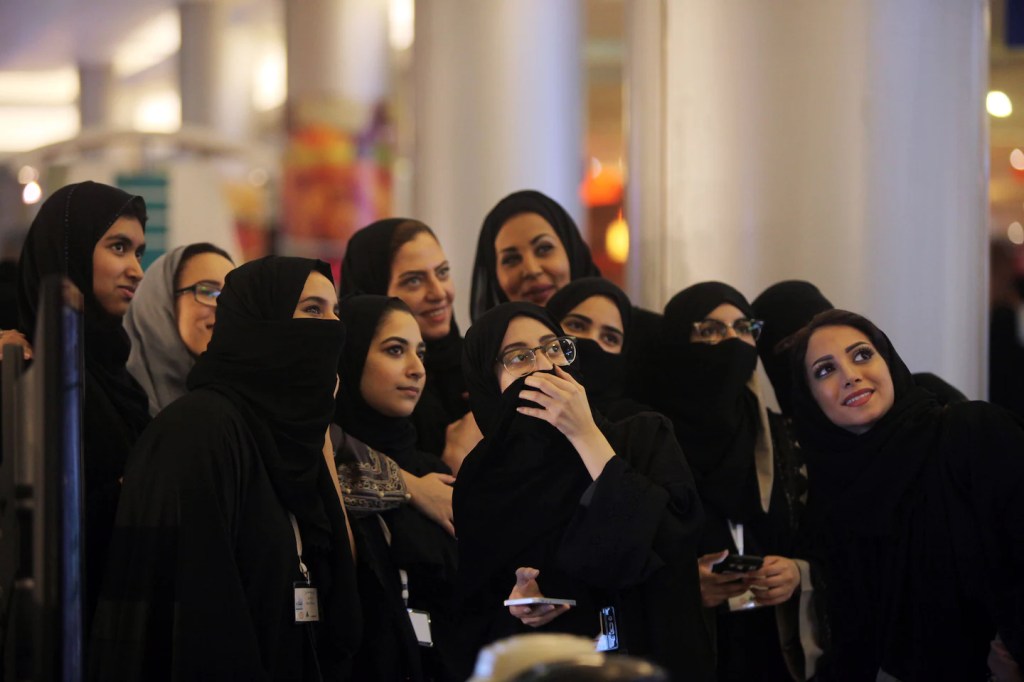
A vast amount of money had been invested in this specific institution as part of a national project to boost Saudi girls’ educational levels, and a Western university was given a lucrative contract to set up teaching programmes, recruit qualified faculty members from English-speaking countries globally, monitor examinations and oversee the entire undertaking.
In 2013 Saudi was like most countries at different periods in their socio-economic histories, I suppose. The chance to do foundation year courses as a means to access university education must have been exciting for a lot of our young women students, not perhaps because they admired scholarship (although earning a degree would have been prestigious), but because it got them out of the home and meant they could make new friends and have some independence.
The university I worked in was a public institution, so the students (aged 18) were not vastly rich or even rich at all ; they were certainly not being driven between fabulous palaces or parties in Maseratis or flying to London for the weekend on shopping trips. In many cases, I was told, the students’ parents ( which means their fathers too ) made sacrifices to send their girls to the university.
As far as I managed to find out, the students’ mothers were involved in family life and running their households ( most had domestic staff, some had little home-based businesses ) rather than lunching with friends in fancy shopping mall cafés. Their fathers were civil servants, office workers, policemen, teachers, military staff, small business owners or similar.
° ° ° ° ° °
The first time any parents came into my Saudi life was in my initial week of teaching when one student arrived 90 minutes late for a two-hour class and told me with great melodrama, and to her classmates’ delight:
” Teacher I love you ! Late. Yes late, teacher. My motherr, my fatherr – dead ! “
I was new, I was enthralled by the emotion and intensity of the story, was poor at classroom management and unaware of the fun the students were cooking up, so was briefly horrified and concerned for the recently and unexpectedly bereft student.
” My teacher ! I late, I know. But my motherrrr, my fatherrrr, verry bad crash, the carrrs, the flames ! The police ! My motherr, my father. Dead ! I sad, very sad, late, teacher. I late. Verrry. “
The class chorused the ‘verry’, and one girl even trumped up a few tears of sympathy before the entire group broke into affectionate laughter.
Plenty more tales of classroom hilarity followed, but there are other stories to come, from other Saudi experiences.

 Out There & In Here